An industrial RO installation is more than a membrane skid placed on a factory floor. You need to know which equipment, site work, testing, approvals and operating arrangements belong in the quoted scope before comparing suppliers or approving a design.
Key takeaways
- Demand separate line items for equipment, civil work, piping, electricals and commissioning.
- Match pretreatment to tested raw-water chemistry, not only the required permeate volume.
- Specify recovery, permeate quality, reject flow and disposal responsibility in writing.
- Require commissioning records, operator training, drawings and a spares list at handover.
What equipment and site work belong in an industrial RO installation?
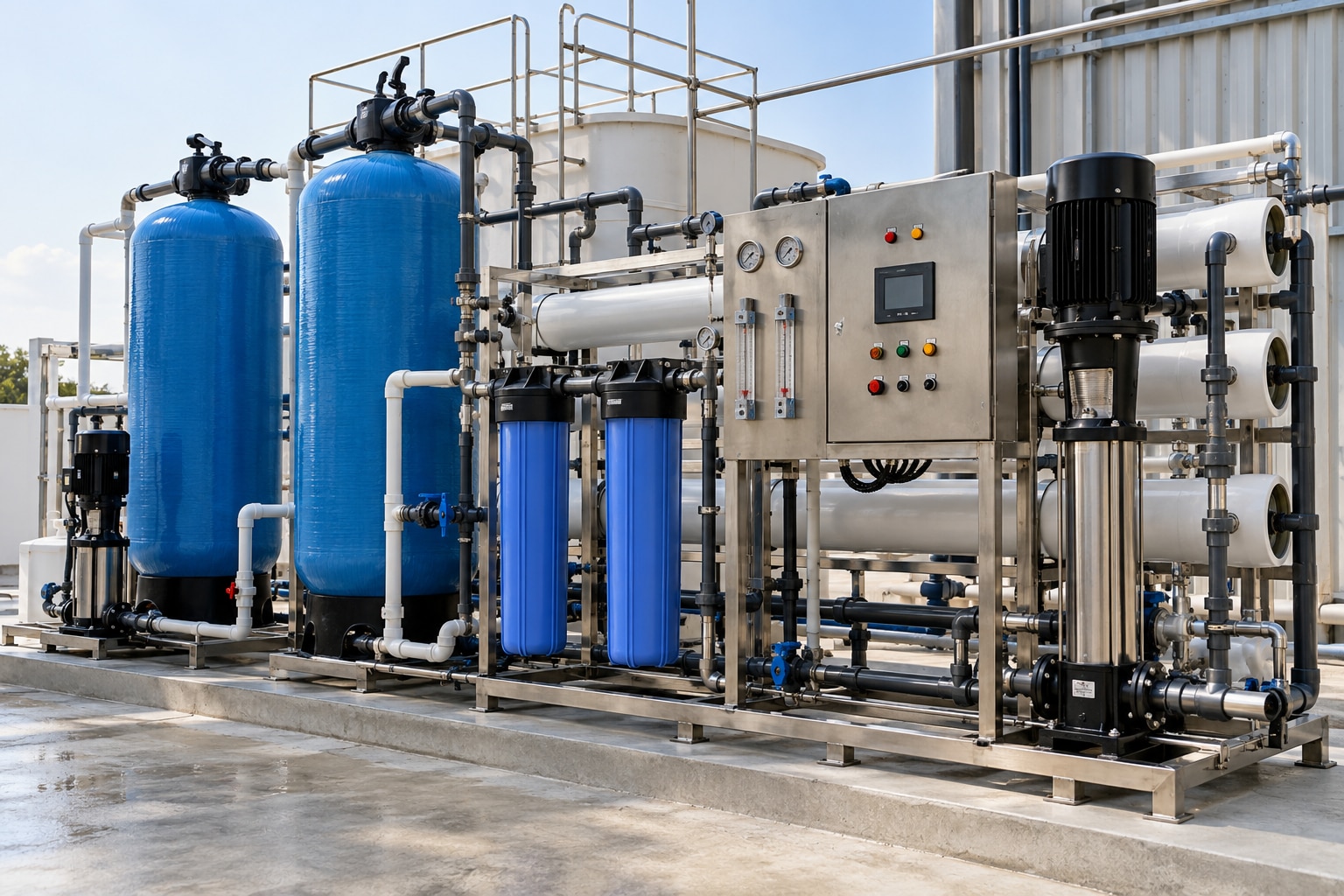
An industrial RO installation is a connected treatment system, not merely an RO membrane assembly. The package should cover raw-water storage, feed pumping, pretreatment, membrane separation, permeate storage and controlled reject discharge.
Confirm that the equipment schedule includes:
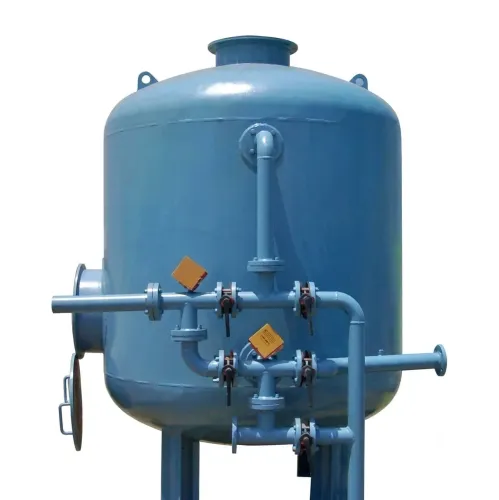
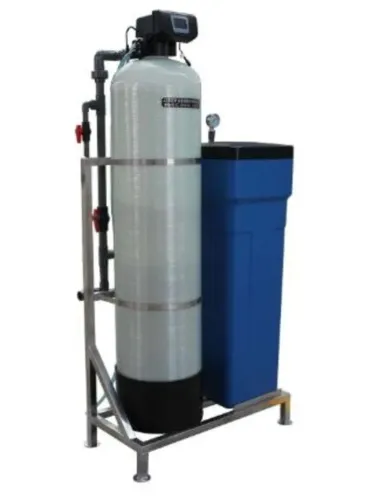
- Raw-water tank, feed pump, chemical dosing system, pressure sand or multimedia filter, activated-carbon filter and micron cartridge filter
- High-pressure pump, membrane housings, RO membranes, permeate tank and reject line
- Pressure gauges, flow meters, conductivity instruments and electrical control panel
- Interconnecting piping, valves, pipe supports and access clearances for operation and membrane replacement
Ask whether vessels are FRP, stainless steel or carbon steel. Confirm whether each tank includes level switches, a ladder and a cover.
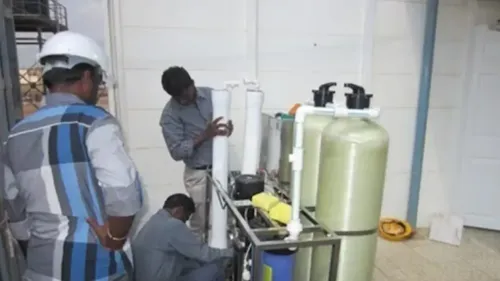
Separate equipment supply from installation labour. The quotation must state whether it includes unloading, internal shifting, foundations, anchor bolts, pipe supports, cabling, control-panel termination, insulation, painting, media filling, membrane loading and connections to existing tanks.
Civil foundations, equipment rooms, drainage channels, waterproofing and electrical feeders are frequent exclusions. Require each exclusion in writing, along with responsibility for site preparation and testing.
The phrase industrial ro plant installation inclusions in nagpur should mean a written boundary covering supply, erection and site preparation—not a single equipment list. Without that boundary, a low equipment price can leave you paying separately for foundations, wiring, access steelwork and commissioning.
What information determines the pretreatment and installation scope?
1. A stable raw-water report determines pretreatment; site and production data determine the industrial RO plant installation scope in Nagpur. Take the sample after the borewell has run long enough to produce stable water. Record pH, temperature, TDS or conductivity, turbidity, total hardness, alkalinity, silica, iron, manganese, chloride, sulphate, nitrate and microbiological results.
Add oil, organics or process contaminants when the source or factory requires them.
2. Design from more than TDS. Turbidity can require clarification or multimedia filtration; iron and manganese can require oxidation and filtration; hardness, alkalinity and silica influence softening or antiscalant dosing. Remove free chlorine before polyamide membranes.
Install a micron cartridge filter immediately before the high-pressure pump, and add ultraviolet disinfection when microbiological control is required after pretreatment or before a sensitive point of use.
3. Confirm daily demand, peak demand, operating hours, feed temperature and required permeate quality before selecting equipment. These figures affect tank capacity, pump duty, membrane selection and controls. A design based only on a nameplate flow can produce inadequate water or unstable operation.
4. Inspect the Nagpur site for borewell yield in summer and monsoon conditions, seasonal quality changes, available three-phase electrical load, tank and membrane-vessel space, maintenance access, chemical-storage segregation, floor loading and drainage. Keep borewell permissions, Maharashtra Pollution Control Board consent, sewer approval and electrical sanctions separate from the installation contract.
How do capacity, recovery and reject handling change the plant design?
1. Size the plant from product-water demand, not the nameplate alone. State permeate flow, raw-water flow, reject flow, recovery percentage and operating hours. At 75% recovery, producing 30 m³ of permeate requires about 40 m³ of feed and leaves about 10 m³ of reject; the final figure must follow the water’s scaling limits.
2. Set recovery from the feed-water analysis. Calcium carbonate, silica, sulphate, barium and strontium scaling, plus feed temperature, osmotic pressure, membrane limits and allowable reject concentration, constrain the setting. Higher recovery reduces reject volume but can increase antiscalant use, scaling risk and cleaning frequency.
These figures determine membrane area and count, high-pressure-pump duty, raw-water tank size, permeate storage and drain or reuse capacity.
3. Choose the reject route before ordering: an approved sewer connection, evaporation system, suitable noncritical reuse point or another authorised route. Never discharge reject onto open ground or into a storm-water drain. Put reject quality and flow in the quotation because they affect civil works and operating cost.
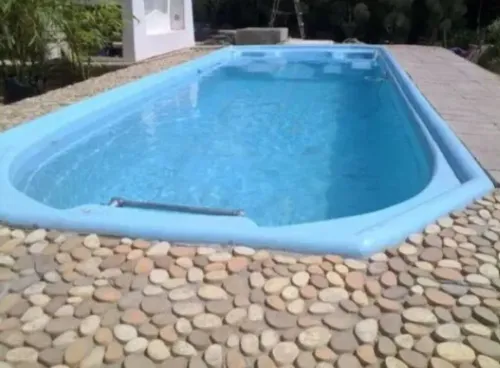
Also state whether the permeate serves boiler-feed pretreatment, cooling-tower makeup, process water, drinking water or swimming-pool makeup. RO permeate alone does not provide pool circulation, filtration, disinfection, or pH and alkalinity control.
What should an industrial RO plant installation cost quotation separate?
Treat industrial ro plant installation cost in nagpur as an installed-project calculation, not a price based only on litres per hour. Two plants with the same capacity can differ sharply if one includes foundations, cabling, reject plumbing and commissioning.
Ask for separate line items for:
- RO capacity and membrane count
- Pretreatment, raw-water tanks, product tanks and pressure vessels
- Membrane elements, chemical dosing and CIP equipment
- Automation, instruments, electrical panels, cabling and earthing
- Piping, valves, civil foundations, equipment-room work and reject disposal
- Freight, unloading, erection and commissioning
The quotation must show GST and every exclusion. Require a separate confirmation for borewell connection, existing-tank connections, media filling, membranes, operator training, water testing, annual consumables, spare parts and post-installation service.
Compare vessel materials against the water and maintenance burden, not the label alone.
| Material | Check before choosing | Risk if ignored |
|---|---|---|
| Stainless steel | Water compatibility, grade, corrosion exposure and service life | Chloride or chemical attack can cause costly failure |
| FRP | Chemical resistance, pressure rating and replacement access | A low price can hide limited mechanical durability |
| Carbon steel | Lining, coating repairs and expected life | Corrosion can contaminate water and block valves |
Tie warranty terms to feed-water quality, pretreatment performance and documented operating conditions. Venkatesh Hydro Technologies or another Nagpur installer can issue this schedule before you compare bids. A lump sum hides omissions.
Related products
 | Water Purifier Industrial Ro Plant Installation Service Industrial Ro Plant Installation Service View product → |
 | Water Purifier And Treatment Plant Water Source Type Borewell Water Usage/Application Filter Treatment Technique RO Automation Grade Fully Automatic Treatment Stages Secondary... View product → |
What happens during industrial RO plant commissioning and handover?
Commissioning begins after pressure testing and line flushing, not when the skid is switched on. For industrial RO plant commissioning in Nagpur, the installer must confirm that the assembled system operates safely before introducing full production flow.
- Check pump rotation, valve positions, tank levels, electrical interlocks, emergency stops, conductivity alarms, pressure switches and flow instruments.
- Calibrate chemical dosing and verify filter backwash or softener regeneration.
- Load the membranes, flush them at low pressure and divert initial permeate until preservative, installation debris and residual chemicals are removed.
- Increase output gradually to the design recovery; do not start at maximum capacity.
- Record feed temperature and conductivity, permeate conductivity, permeate and reject flow, feed and operating pressures, recovery, relevant pH, pretreatment differential pressure, chemical dose and alarm operation.
Compare results using temperature-normalised performance, not conductivity alone. Temperature changes alter membrane output and can make a satisfactory plant appear underperforming.
For drinking-water production, link acceptance testing to IS 10500. Verify microbiological quality, TDS, hardness, chloride, sulphate, nitrate, iron and fluoride where relevant; RO alone does not guarantee compliance.
The handover file must contain drawings, manuals, test results, cleaning criteria, membrane-replacement intervals, operator training records, spare-parts details and warranty exclusions. Agree in writing who monitors water quality, buys consumables and manages cleaning-in-place after handover.
Frequently asked questions
What equipment and site work belong in an industrial RO installation?
The scope can include raw-water storage, feed pumps, pretreatment, cartridge filtration, high-pressure pumps, membrane vessels, permeate storage, reject piping, controls, electrical work, foundations and interconnecting piping.
What information determines the pretreatment and installation scope?
Provide a recent raw-water laboratory report, required permeate quality, daily operating hours, feed flow, available utilities, installation location and the proposed reject-disposal route.
How do capacity, recovery and reject handling change the plant design?
Capacity sets membrane and pump sizing; recovery determines feed and reject volumes; reject quality and flow determine tankage, piping, permits and the disposal or treatment arrangement.
What should an industrial RO plant installation cost quotation separate?
Ask the supplier to separate equipment, transport, civil works, foundations, piping, electricals, automation, installation labour, chemicals, testing, commissioning, training, taxes and exclusions.
What happens during industrial RO plant commissioning and handover?
Commissioning includes flushing, leak checks, instrument verification, chemical dosing checks, performance testing and operator training, followed by drawings, manuals, test records and a spares list.
Keywords