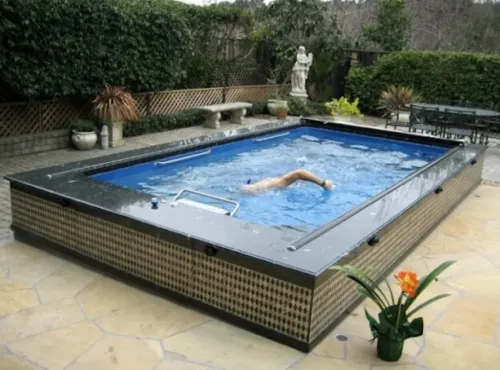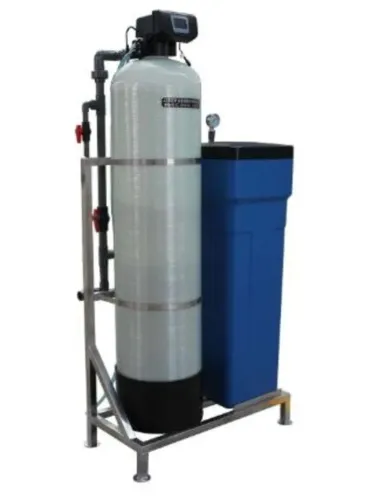
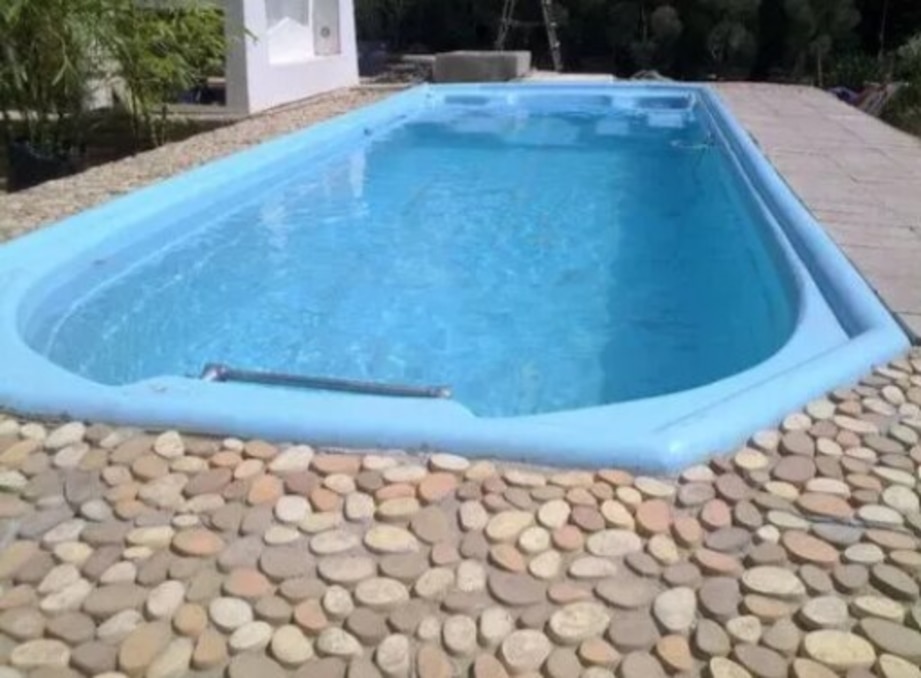
An FRP pool can reduce on-site construction time, but its success depends on more than the factory-made shell. By weighing Nagpur’s heat, monsoon water, expansive soil, access constraints, maintenance demands and full installed cost, you can decide whether it suits your property better than reinforced concrete.
Key takeaways
- Check truck access, excavation space, soil stability and groundwater before ordering.
- Choose FRP for faster installation and standard shapes; choose RCC for custom geometry.
- Get excavation, base support, backfill, plumbing, drainage and decking included in writing.
- Compare the complete installed cost with cleaning, chemicals, repairs and future maintenance.
What an FRP pool is—and which Nagpur conditions affect its performance
An FRP pool is a factory-moulded fiberglass-reinforced polymer shell delivered to your site as one piece. Its smooth gelcoat forms the waterproof interior, while fiberglass layers and resin provide structural strength. Unlike an RCC pool, it does not rely on site-poured concrete, curing or internal waterproof plaster, but excavation, support, plumbing and decking still remain.
Nagpur’s summer heat, sunlight and concentrated monsoon change how that shell performs. Specify UV-resistant gelcoat, use a cover to reduce evaporation, and test chlorine, pH and alkalinity on a written schedule. Dust, heat and heavy bather use raise chlorine demand and algae risk.
Hard water can leave scale on the gelcoat, fittings, heater and filter, so include hardness testing and a treatment plan rather than assuming FRP eliminates maintenance.
Check these conditions before treating FRP pool benefits in Nagpur as automatic:
- Black cotton soil needs engineered excavation, drainage, foundation and backfill because wet expansion and dry shrinkage can move the shell unevenly.
- Rainwater or groundwater beneath an empty pool can create hydrostatic uplift; plan perimeter drainage, a sump or dewatering system, and a safe shutdown water level.
- Delivery and crane access must suit the shell’s length, width and lifting points.
| FRP shell | Reinforced-concrete pool | Practical consequence |
|---|---|---|
| Factory-made waterproof shell | Built and waterproofed on site | FRP can shorten site work, but civil work remains |
| Smooth gelcoat interior | Plaster, tile or coating finish | FRP resists porous-surface problems; damaged gelcoat needs specialist repair |
| Moulded shapes and depths | Highly custom geometry | FRP suits standard designs; bespoke architecture favours RCC |
FRP versus reinforced concrete: where the time and design trade-offs lie
Choose an FRP shell when you want a factory-made waterproof interior and a shorter on-site build, not when the pool’s shape is the main design priority.
| Decision point | FRP shell | Reinforced-concrete pool |
|---|---|---|
| Site time | Avoids on-site concrete curing and waterproof plastering; excavation, plumbing, backfill and decking remain | Longer programme includes reinforcement, concreting, curing, waterproofing and interior finishing |
| Shape and depth | Limited to available moulds; later enlargement is difficult | Suits irregular plans, changing depths, tanning ledges and integrated structures |
| Finish | Smooth gelcoat surface with fewer grout joints to maintain | Tile, plaster and stone offer more visual choices but create joints or surfaces to inspect |
| Alterations and repairs | Shell penetrations and structural changes require specialist work | New fittings and geometry changes are easier to design into the structure |
FRP becomes the practical choice for a standard residential or institutional pool where rapid installation, predictable shell quality and low routine surface cleaning matter more than bespoke geometry. It does not eliminate circulation, filtration, chlorine control or cover use in Nagpur’s heat, dust and monsoon conditions.
Avoid choosing FRP solely to escape construction risk. Black cotton soil can swell and shrink around the excavation, so the shell needs an engineered foundation, drainage and specified backfill rather than direct contact with native soil.
If the design demands a flush infinity edge, unusual depth, very large steps or future structural changes, reinforced concrete usually provides the stronger design platform.
Can your plot safely receive a fiberglass swimming pool?
Do not order a shell until the plot, route and ground conditions have been measured together. A fiberglass swimming pool for property in Nagpur needs more than an open rectangle: it needs a stable excavation, controlled water and a delivery path that can handle the finished shell.
1. Measure the pool footprint plus working room for excavation, bracing, plumbing and backfill. Check setbacks from compound walls, buildings, wells and underground services. Confirm the finished deck will not block stormwater flow.
2. Trace the delivery route from the road to the excavation. Record gate width and height, turning space, compound-wall sections, overhead wires, trees and slopes. Ask the supplier for the shell’s transport dimensions and lifting points; a crane may be necessary even when the plot appears large.
3. Identify the soil before excavation. Nagpur’s black cotton soil expands when wet and shrinks when dry, so do not place the shell directly against it. Obtain a site-specific foundation, drainage and engineered-backfill specification, rather than reusing black soil or rubble.
4. Check groundwater by inspecting nearby wells, speaking with local excavators and observing the excavation during or after rain. Persistent groundwater can create upward pressure beneath an empty shell; price a sump, pumps, waterproof drainage and a safe dewatering method.
5. Design monsoon drainage before digging. Keep roof runoff and surface water away from the excavation, provide an outlet for collected water and plan staged backfilling as the pool fills. If access, soil support or drainage remains unresolved, postpone ordering or choose a different design.
What a properly managed FRP swimming pool installation in Nagpur includes
For an FRP swimming pool installation in Nagpur, the contract must assign every interface before excavation starts. It should name who handles the soil investigation, excavation dimensions, groundwater control, shell lifting, plumbing, electrical safety, backfill, testing and handover. A factory-made shell saves curing time, not site preparation.
Ask the installer to define:
- Soil report, bearing condition, excavation depth, working clearance and disposal route for excavated material.
- Crane capacity, lifting points, delivery route, exclusion zone and responsibility for damage during unloading.
- Shell level, diagonal measurements, temporary bracing, plumbing penetrations and pipe pressure testing.
- Staged backfill specification, compatible material and filling sequence; never accept black soil or uncontrolled rubble without written engineering approval.
- Perimeter drainage, sump or dewatering provision, pool-water level during monsoon shutdowns, leak testing, electrical bonding and post-monsoon inspection.
| Interface | Document before work | Failure if omitted |
|---|---|---|
| Site and groundwater | Soil findings, excavation drawing and stormwater plan | Settlement, flooding or hydrostatic uplift can move an empty shell |
| Lifting and placement | Crane plan, lifting points and level tolerances | A twisted shell can leave unusable coping and stressed pipework |
| Plumbing and electrical | Penetration locations, valves, earthing and bonding details | Leaks, unsafe equipment or inaccessible repairs |
| Commissioning | Pressure test, filtration start-up, water-treatment settings and sign-off | Defects become hidden after backfilling |
| Handover | Water-level procedure, maintenance schedule and inspection date | Monsoon damage becomes a disputed responsibility |
Venkatesh Hydro Technologies should provide this allocation in writing when quoting, rather than treating installation as shell delivery alone.
Related product
 | Swimming Pool FRP Swimming Pool View product → |
The final decision: calculate the installed cost and ongoing care
The phrase “frp swimming pool worth it in nagpur” has a practical answer only after you calculate the complete installed cost, not the shell quotation. Add transport, crane lifting, excavation, hard-strata breaking, soil disposal, engineered backfill, drainage, pumps, filters, electrical protection, coping, deck, fencing and a cover.
Ask the installer to price these items separately:
- Groundwater control, perimeter drainage, sump or dewatering equipment, and the procedure for keeping the pool filled during monsoon shutdowns
- UV-resistant gelcoat, circulation capacity, filtration, skimmer access and commissioning water tests
- Future repair allowance for fittings, plumbing penetrations, gelcoat damage and shell movement
An empty shell with water beneath it can lift or crack, so omitting hydrostatic protection is a false saving. Nagpur’s heat, dust and sunlight also increase evaporation, chlorine use and algae risk; budget for testing, chemical dosing, filter cleaning and cover replacement.
| Option | FRP shell | RCC pool |
|---|---|---|
| Installed work | Faster, but access, crane and backfill can add sharply | Slower, with more waterproofing and finishing work |
| Design | Factory mould limits width, depth and shape | Custom dimensions and changes are easier |
| Future repair | Local damage needs specialist assessment and matching repair | Tiles, plaster and waterproofing are easier to alter locally |
Choose FRP when the delivered total remains attractive after these allowances and the plot supports safe drainage. Choose RCC when access blocks delivery, the design is highly customised, or long-term alteration matters more than faster construction.
Frequently asked questions
What is an FRP swimming pool?
An FRP pool is a factory-moulded fiberglass-reinforced polymer shell delivered as one piece. Its gelcoat provides the waterproof interior, while fiberglass and resin provide structural strength.
Is an FRP pool better than an RCC pool in Nagpur?
FRP offers faster installation and a smooth factory finish, but it limits shape and size to available moulds. RCC takes longer because it requires site construction and curing, but it supports more custom designs.
What should you check before installing a fiberglass pool on your property?
Check vehicle and crane access, excavation dimensions, soil stability, groundwater, drainage, working space and the method for supporting and backfilling the shell.
What does FRP swimming pool installation in Nagpur include?
A properly managed installation covers site measurement, excavation, a level supporting base, shell placement, plumbing connections, controlled backfilling, drainage, testing and surrounding decking.
Keywords